
Tissue Paper RFQs: Clarify the 18g Weight Basis
Ask the supplier what the 18g label describes before using it in a tissue-paper specification. The reviewed listing names Packaging Liner Tissue Paper (18g) and states a 50 x 70 cm dimension, but does not explicitly define an area, individual-sheet or pack basis for that number. Retain the original wording until the supplier identifies the applicable unit and scope.
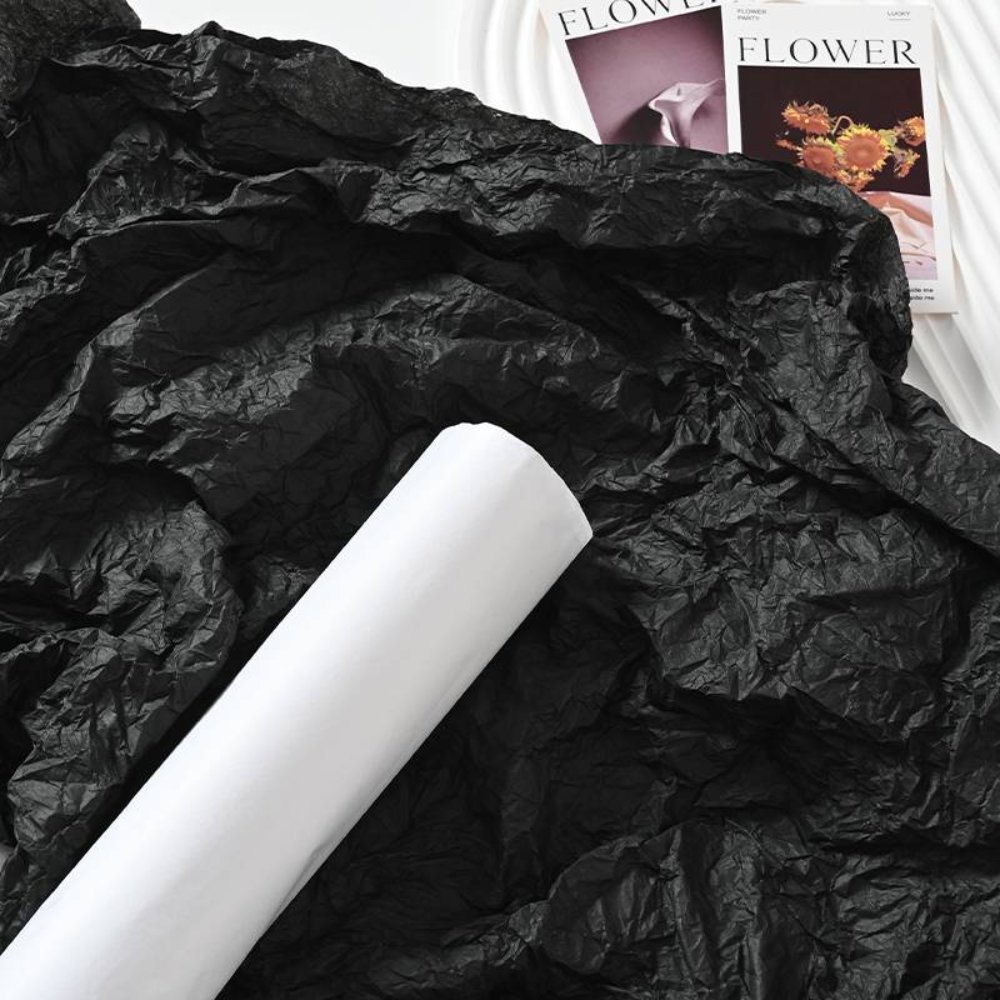
Official liner-paper catalogue appearance reference. The texture and rolled presentation do not establish a measured mass, thickness, selling format or the meaning of 18g.
Begin with the actual liner-paper statement
The pearlescent tissue-paper liner listing describes Packaging Liner Tissue Paper (18g), Dimensions: 50 x 70 cm, Color: Pearlescent White and Material: Tissue Paper. These are the catalogue words relevant to the enquiry. Keep the 18g expression attached to that exact product reference.
When sourcing wholesale tissue paper, a buyer may need an unambiguous specification for comparison. Do not turn the bare 18g expression into 18 grams per square metre, a single-sheet weight or a pack weight without a supplier response that states that basis. The dimension line alone does not resolve the meaning.
Ask for a unit with a defined scope
A useful enquiry asks the supplier to spell out what the number measures and which item or quantity it covers. Retain the full unit rather than a shortened weight field. If a mass-per-area description is supplied, keep its area unit; if the response concerns a sheet or pack, keep that item or quantity basis visible.
The purpose is clarification, not a prediction of which interpretation the supplier will choose. A general industry description or a weight range from another article does not complete the missing basis for this particular catalogue entry.
Keep the 50 x 70 cm dimension as a separate statement
Retain the catalogue dimensions with the selected offer, but do not use them to manufacture a weight specification. A sheet dimension and an unexplained mass label are separate pieces of information until the supplier associates them explicitly.
If the supplier later gives an individual-sheet value, ask which size and version it describes. If the proposed sheet format changes, ask whether the earlier weight response still applies. Do not preserve a conversion that depended on a format or unit basis that has not been confirmed.
A separate tissue-paper appearance arrangement. The displayed layers are not a measured weight sample, a supplied pack count or a guaranteed colour assortment.
Build a weight-basis clarification record
Use the fields below to preserve the supplier response and its limits. They help compare like specifications without inserting an assumed GSM value or a fabricated sample result.
Record field
Question to resolve
Reference to retain
Exact product
Which liner-paper version is being quoted?
Product URL and supplier item reference
Original wording
Which catalogue expression requires clarification?
Packaging Liner Tissue Paper (18g), retained without reinterpretation
Quantity basis
What does the number cover?
Supplier explanation of area, sheet, pack or other stated basis
Complete unit
Which full unit should appear in the specification?
Unambiguous unit written beside the value
Applicable format
Which size or supplied format does the response describe?
Associated dimensions and supplier version
Included components
Does the stated value include packing or other components?
Explicit scope, where relevant to the response
Sample association
Which actual sample or document supports the response?
Identified sample or applicable supplier reference
Accepted revision
Which clarified statement has the buyer selected?
Accepted response and retained later changes
Separate supplier declarations from actual observations
If a physical sample is actually weighed, retain its identity, dimensions or quantity basis and the components included in the observation. Keep the resulting record separate from the catalogue label and supplier declaration. This article reports no received sample, weighing result or passed inspection.
Before comparing a sample observation with a supplier figure, check that both refer to the same basis. An observation involving several sheets or packing components should not silently become the mass of one sheet. Ask the supplier to clarify any difference against an identified requirement.
Catalogue appearance reference only. Colour, texture and overlap do not verify the 18g basis, material grade or current colour availability.
Do not use the label as a thickness or performance result
The reviewed label supplies no confirmed caliper or test result. A weight statement with a clarified basis would still need to remain separate from thickness, tear behaviour, colourfastness or suitability requirements. Ask for the relevant supplier response if those properties matter to the purchase.
The gallery also does not establish a material test from visual texture. Keep the selected appearance associated with the offered item while leaving unsupported performance and environmental claims out of the specification.
Retain a separate basis for packed-order calculations
If the buyer needs order or shipment weight information, request the supplier response for the actual selected quantities and packing configuration. Do not multiply the unexplained 18g expression across an order and present the result as confirmed net or gross weight.
Carry the clarified paper specification into the quotation and keep revisions visible. A changed format, quantity basis or packing proposal may require a new response. Price, order quantities and delivery arrangements remain separate matters for the exact offer.
Retain the bare 18g wording until its basis is explained.
Keep sheet dimensions and the complete weight unit visible.
Separate actual sample observations from supplier statements.
Request a distinct packed-order response when logistics information is needed.
Frequently asked questions
Does 18g definitely mean 18 GSM?
The reviewed listing does not explicitly state grams per square metre. Ask the supplier to identify the complete unit and applicable basis.
Can 18g be treated as the weight of one 50 x 70 cm sheet?
That association is not stated in the reviewed wording. Request the supplier’s explanation before using it as a single-sheet specification.
Does the photograph help verify the weight value?
It is an appearance reference with no weighing record. Retain any actual measurement separately with its sample identity and scope.
Is the bare value enough for shipment-weight planning?
Request packed-order information for the actual quantities and included components. An unexplained catalogue label does not establish a shipment weight.
Send the liner-paper reference and weight-basis questions through Jiemi Packaging contact. Compare the product catalogue and related topics in the article archive.
#Tissue Paper#Weight Basis#Supplier Specifications#Sample References#B2B Purchasing